
FUJIFILM GFX - THE STORY SO FAR
26th May 2026
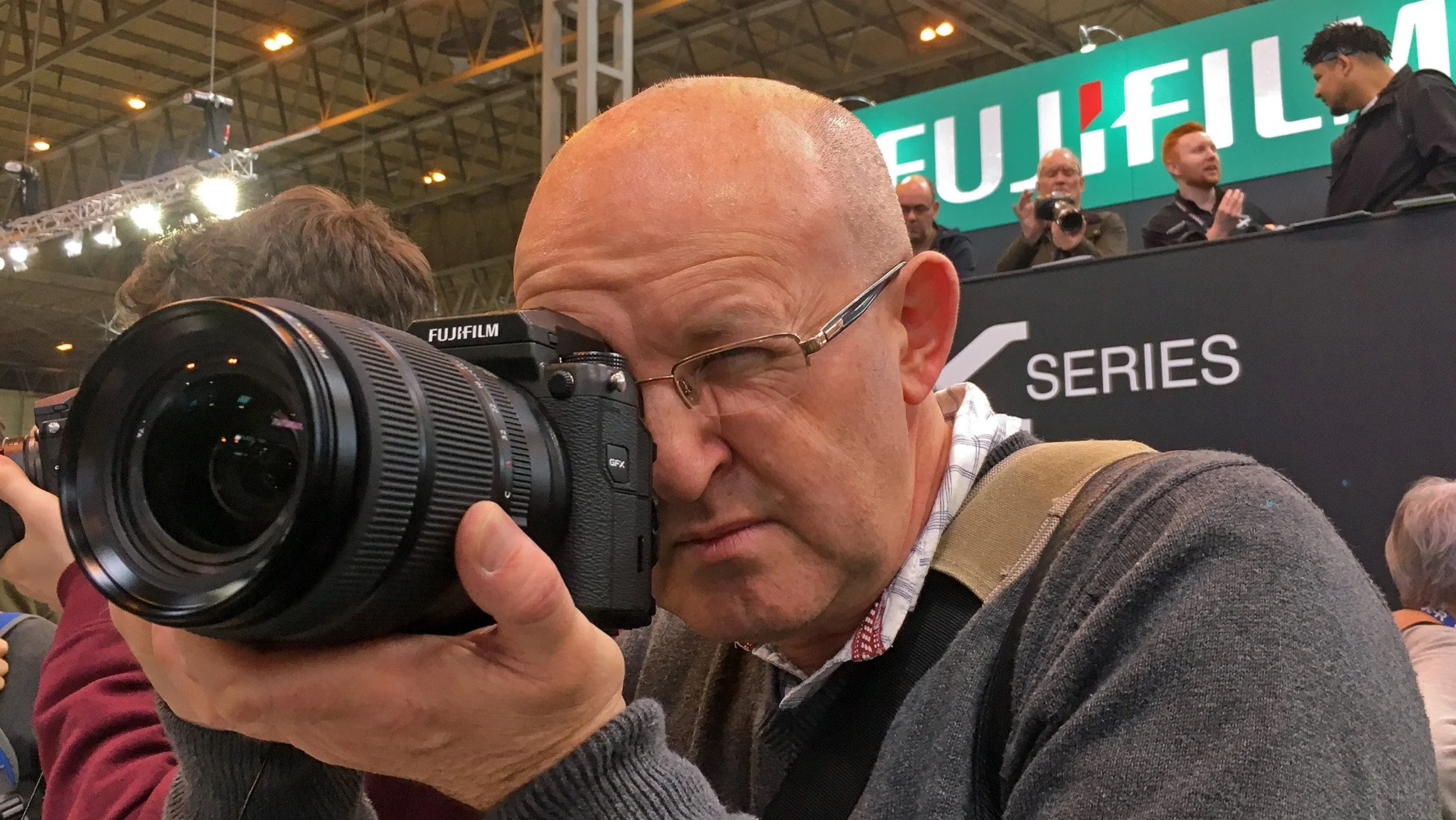
My GFX journey began at the Photography Show in 2017 when I first saw the original GFX 50S camera.
Since then I have owned multiple copies of the GFX 50S, 50R, 50S II and the 100S.
In this feature, I review my experiences with the various GFX cameras, what I liked, what I didn’t and why.
Part One - The Cameras
GFX 50S
Just like the original X-Pro 1, Fujifilm nailed sublime, organic image quality with the GFX 50S. The 51.4 megapixel Sony sourced sensor had already been used in the Pentax 645Z and Hasselblad X1D, but was ‘tweaked’ by Fujifilm. The resulting images are subtle and natural without obvious digital over-sharpening.
The camera body itself is a bit Frankenstein, with the rear LCD screen protruding awkwardly like an afterthought. The removable electronic viewfinder unit seems like a good idea, but in practice it is clumsy and massively frustrating, snagging every time the camera goes in and out of the camera bag. There is also the major issue of having to remove a tripod L-bracket to change the camera battery.
I’ve had several GFX 50S cameras but have never kept them for very long due to the poor handling, there is no denying the fabulous images made by this camera though.
If you can cope with the quirks of a ‘prototype’ camera, there are always lots available for sale, many hardly used, for around £1250. The main thing to look for is bleeding, darkening or even delaminating of the top LCD. Also, make sure that the EVF-TL1 electronic viewfinder unit is present, it is amazing how many GFX 50S cameras for sale are missing this essential item. Always buy used cameras from trusted retailers with a guarantee and a good returns policy. Have a look at my ‘Top 10 Cameras’ feature for my list of recommended gear specialists.

Fujifilm GFX 50S + Fujinon GF 100-200mm f/5.6 R LM OIS WR - ISO 12800!
GFX 50R
Using the same sensor and processor as the GFX 50S, the GFX 50R will produce identical images - ie. great!
Handling is not the best, the camera feels strange, like a hollow, empty box. It resembles a Fujifilm X-E series camera with ‘Middle-age spread’, there is no proper grip and the camera body is just too thick. With anything other than a small prime lens like the GF 63mm, handheld shooting with the GFX 50R is terrible. On a tripod it is better, with the dials on the top plate for shutter speed (T for long exposures) and exposure compensation easy to access and operate. However, the exposure compensation dial doesn’t have a locking function, it is way too easy to move and needs to be constantly checked. Of course, if using Manual exposure this is no concern. The buttons on the rear of the camera, especially for Menu, Q and Play are way too small. All of the buttons have a rather spongy feel, including the shutter release which feels disconnected from the camera. This is at odds with the GFX 50S where all the controls have a positive and quality feel.
The GFX 50R has a cult following, used prices have risen in the last couple of years and now stabilised around £1750. The rear LCD screen is easily scratched and the main ON/OFF switch is rather flimsy. It is also worth bearing in mind that both the GFX 50R and 50S cameras use the old NP-T125 Battery, many third party versions of this battery give poor performance and can also overheat, causing them to swell and jam in the camera. It is best to buy used genuine NP-T125 batteries from dealers that offer a guarantee rather than buying the poor third party versions.
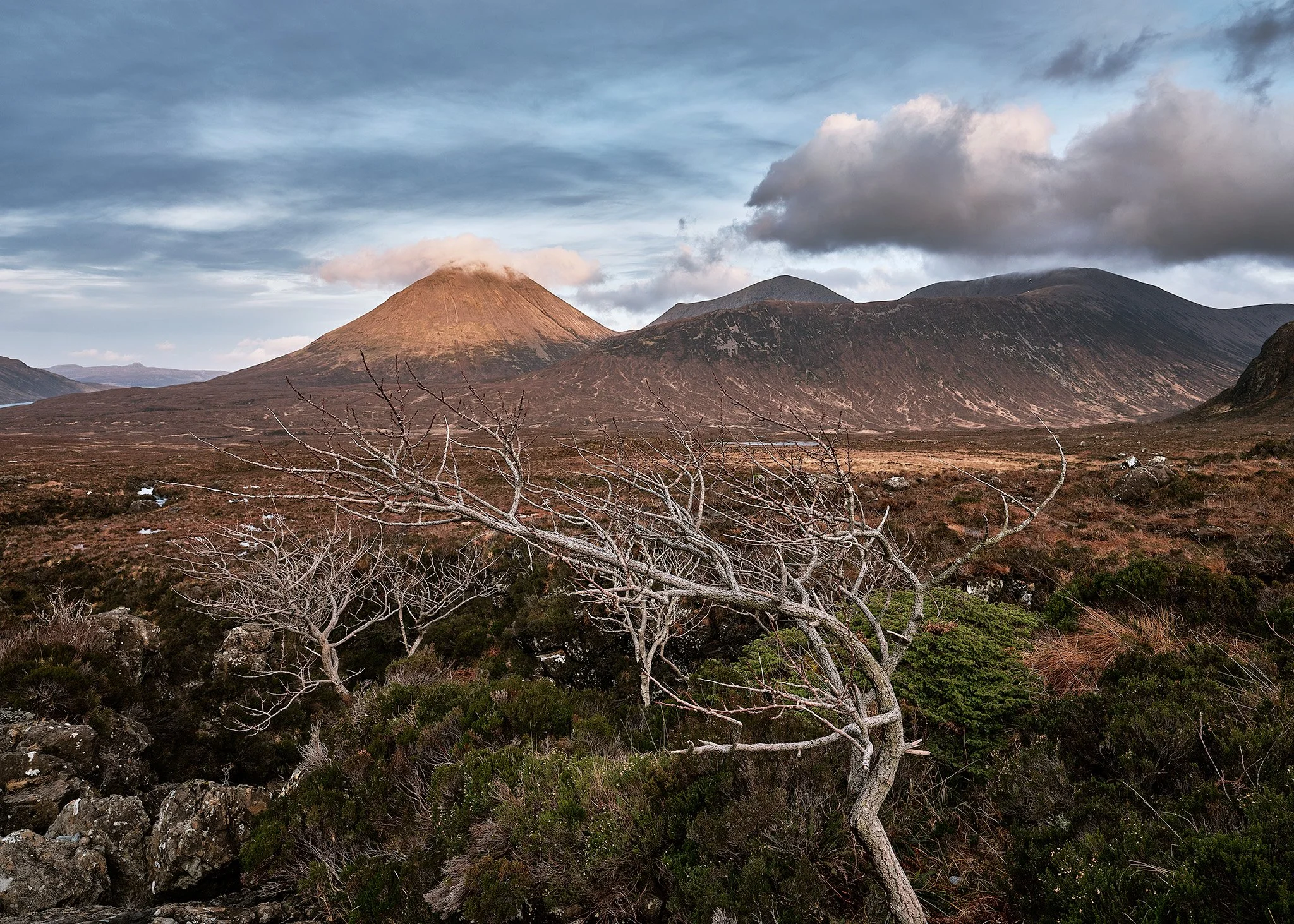
Fujifilm GFX 50R + Fujinon GF 23mm f/4 R LM WR
GFX 100S
In many ways the first ‘proper’ GFX camera. A small ‘normal’ looking camera body with a 102 megapixel sensor, in-body image stabilisation (IBIS), phase-detection autofocus and the same NP-W235 battery as the current X-series cameras. Launch price was around half that of the brick-like GFX 100.
My first GFX 100S was a huge disappointment, producing flat, uninspiring images. The next one I bought was a massive improvement, the images were more ‘clinical/digital’ than the GFX 50S/50R but superbly detailed with no need for any sharpening or noise reduction in processing.
Of course there were compromises in producing a medium format digital camera this small (maybe a bit too small in fact relative to most GF lenses) and at the original price point of £5499. The build quality is poor compared to the GFX 50S + GFX 100. The paint rubs off far too easily, especially on the baseplate (very surprising for a camera made in Japan), the shutter release is laggy and feels disconnected from the camera just like the GFX 50R. The major flaw is the positioning of the tripod socket which is right at the rear of the baseplate. The socket is screwed to a flimsy piece of base metal that isn’t even part of the main camera chassis. I have had 2 GFX 100S bodies where attaching an L-bracket has caused the camera to lock-up and malfunction in other random ways. I believe this is due to a flexible printed circuit (FPC) being trapped when pressure is applied to the baseplate. This issue isn’t easy to replicate but I guarantee it will occur at precisely the wrong moment, having to take the battery out to reset the camera means a missed shot. The fix for this seems to be mounting a thin piece of foam between the PCB and the baseplate, a chargeable repair for something that should be a free recall.
Despite the issues mentioned above, the GFX 100S is a superb landscape photography camera. The 6 custom shooting modes on the main dial are great for quickly changing between different shooting styles (handheld, tripod, long exposures, astro etc.) without having to delve into confusing menus, the remote release socket is (finally!) on the right hand side, so the door doesn’t foul the L-Bracket.
In my opinion, the GFX 100S is still the sweet spot in the range for image quality and value for money.
Used prices for good GFX 100S cameras are currently around £2500. Don’t buy one that has been heavily used with lots of paint scuffs, there are plenty to choose from on the used market.
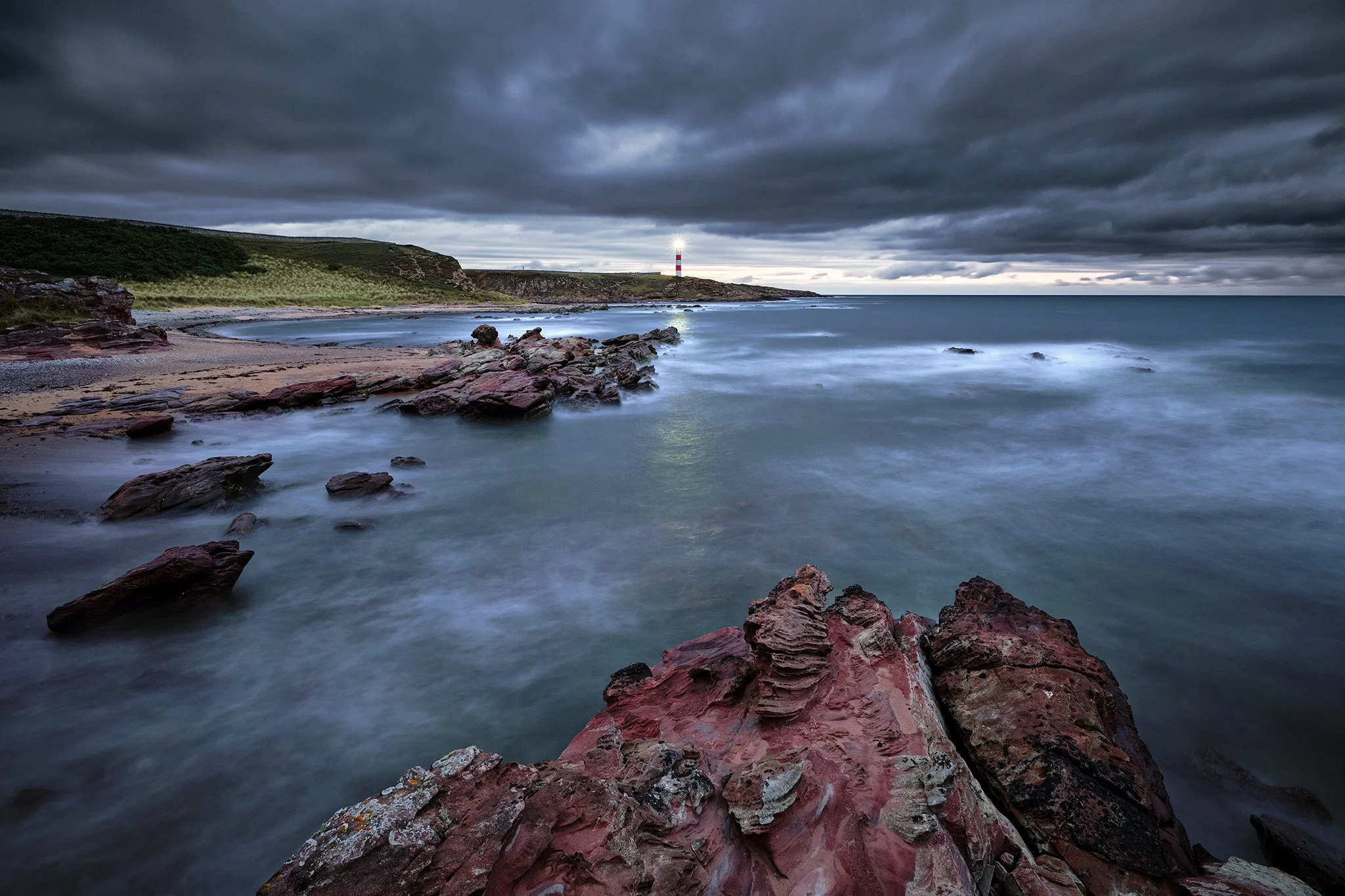
Fujifilm GFX 100S + GF 20-35mm f/4 R WR
GFX 50S II
Basically a GFX 100S body with the original 50S/50R sensor, an updated processor, contrast only autofocus.
The updated X-Processor 4 removes all of the greatness of the original 50 megapixel sensor. Images are flat and lifeless, lacking fine detail in grasses and other foliage, often with a blue cast that seems to be baked in the RAW files even with custom white balance.
Not really a camera I can recommend and I feel that the current used prices of around £1750 represent poor value compared to the 50S, 50R, 100 + 100S.
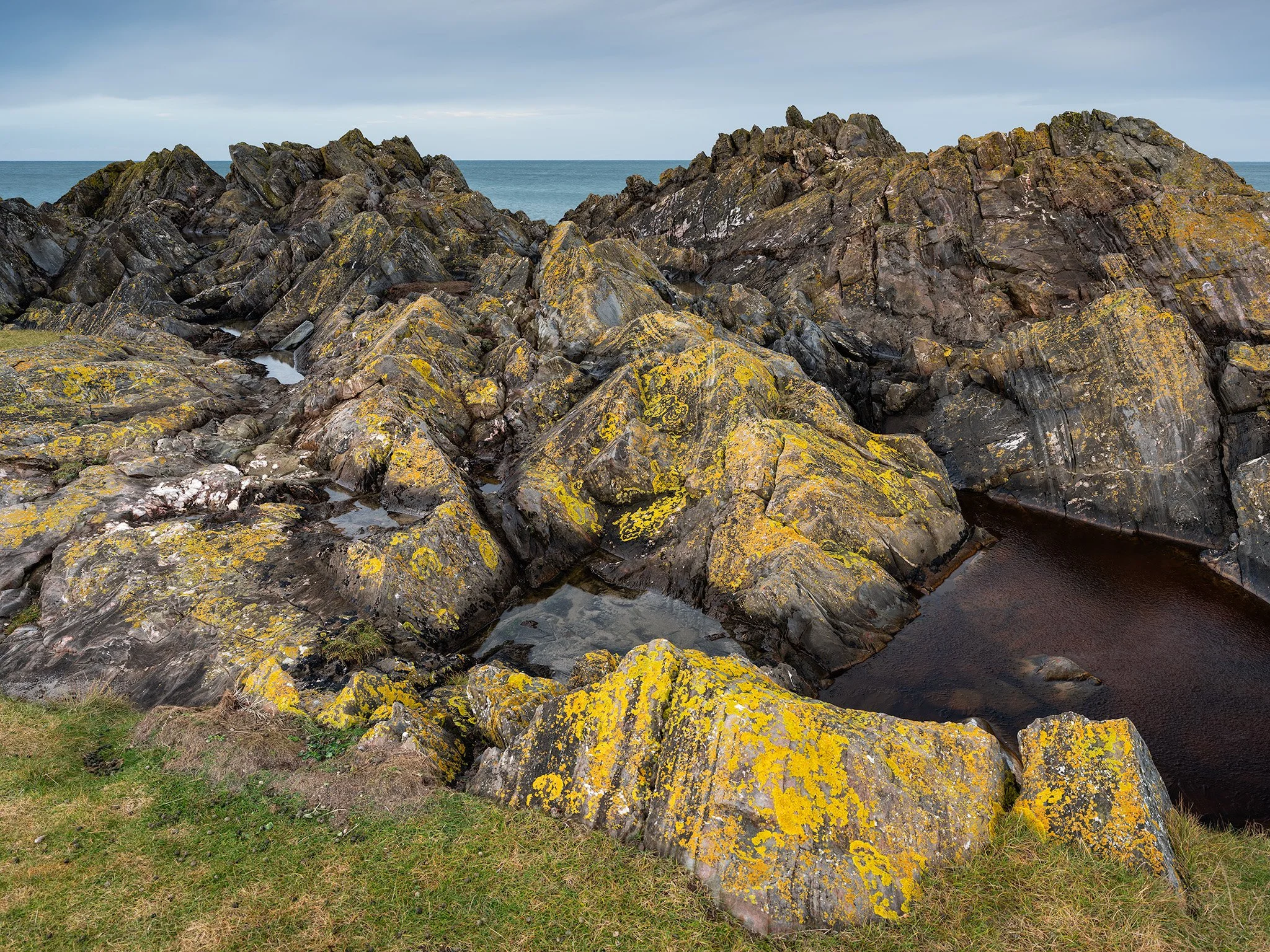
Fujifilm GFX 50S II + GF 35-70mm f/4.5-5.6 WR
Honourable Mention - GFX 100
The camera version of the Porsche Taycan, flawed, unloved and worth a fraction of its original price.
However, it is a camera I have really warmed to recently.
Yes, it is a massive, heavy behemoth, plus the rear buttons are way too small for a camera of this size. But, it has fabulous build quality and a superb 5.76 million dot electronic viewfinder with 0.86x magnification.
The grey finish has an industrial feel and just looks cool!
It is a camera that feels very special to use.
Totally impractical for long hikes, but for landscape photographers who never stray too far from the beaten track, it makes perfect sense. You can shoot all day thanks to the pair of batteries (the old NP-T125) and the rear OLED sub monitor removes all the clutter from the main LCD.
The tripod bush is mounted in the centre of the lens axis and also equidistant from the front and rear of the base plate, it is also mounted underneath the battery compartment well away from the main electronic ‘gubbins’ of the camera. So, the GFX 100 balances perfectly on a tripod and also doesn’t suffer from the lock-ups that plague the GFX 100S.
Although the GFX 100 lacks the beloved Fujifilm dials, anyone used to a Canon EOS camera will soon feel at home.
The random array of unlabelled buttons are confusing at first and it is a shame that they cannot be separated from duplicate landscape/portrait orientation functions. If they could, this would be the ultimate customisable camera with no need to ever go near the menu system. It is easy to make the buttons more memorable with different colour self-adhesive 3mm ‘gems’.
Now available for less than one-fifth of its original £9999 retail price, I’ve seen a few recently for around £1750.
Always make sure that the removeable EVF-GFX2 is present. Just like the original GFX 50S, many are advertised without this must-have item.
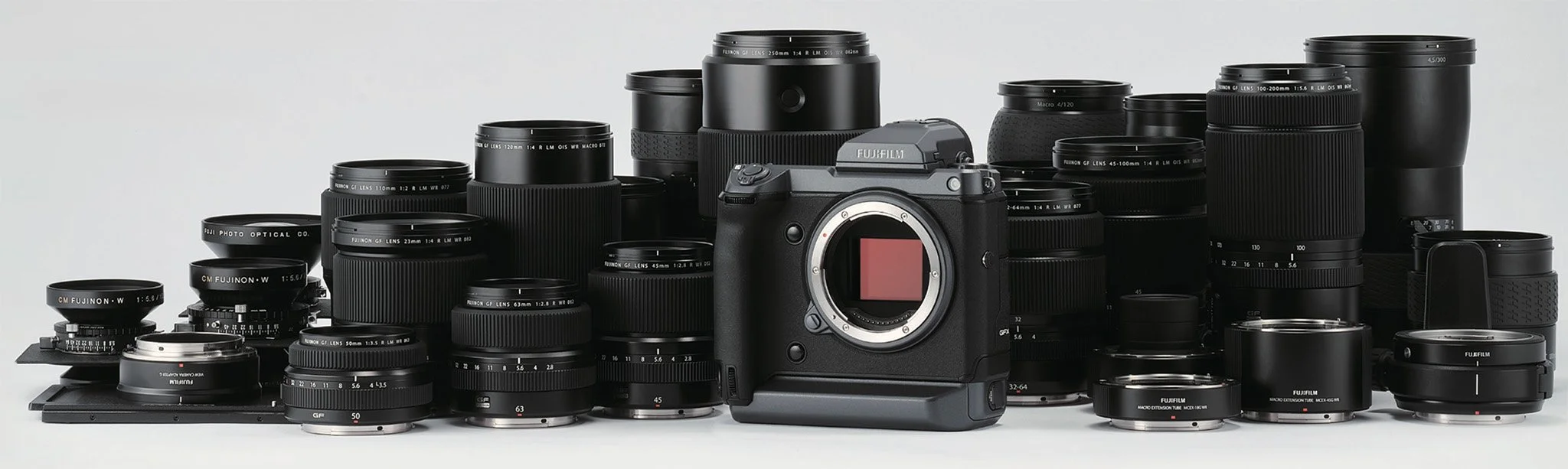
Fujifilm GFX 100 (image Fujifilm)
Something to bear in mind when buying a used GFX camera is that (on some models) the shutter count is pure fiction!
A firmware update will reset the shutter actuations to zero and I believe that any visit to a Fujifilm service centre, even for a sensor clean, will also result in a zeroed shutter count.
Always buy the best condition camera you can find that is boxed with as many of the original accessories present, rather than chasing the lowest shutter count.
There is no doubt that most of the GFX range are superb landscape photography cameras.
But, from a long exposure perspective, there are two huge issues that need to be mentioned.
Firstly, although it is great to be able to go above a 30 second shutter speed without resorting to Bulb mode, beyond 1 minute it is only possible to select double increments - 2, 4, 8 minutes etc. So, for a 3 minute exposure you either have to use the ancient Bulb mode or set 4 minutes and cancel the exposure after 3 minutes. This is where the GFX cameras show their dated technology, with no interest from Fujifilm in fixing the issue with firmware updates. Canon, Nikon and some Sony mirrorless cameras have a bulb timer where it is possible to select any exposure time over 30 seconds.
Secondly, hot and stuck pixels. This is more of an issue with the 100 megapixel cameras but still exists with the 50 megapixel models. An exposure of over 2 minutes will result in a number of coloured square dots in the image due to sensor overheating. I don’t know the exact tolerance but Fujifilm consider a number of stuck pixels to be OK, appalling really when you consider all of these cameras originally cost several thousand pounds. Pixel mapping helps a bit and single pixel noise reduction in Capture One sometimes removes a few stuck pixels but be prepared to be doing a lot of tiny spot removal if you shoot long exposures.
I haven’t yet had the opportunity to try the GFX 100 II or the GFX 100S II but I understand from friends and colleagues that neither of the above issues have been addressed.
It is difficult to see where the GFX series goes next, there has been talk of a 180 megapixel model but in reality it seems like the system has gone into hibernation. The GFX 100RF + Eterna appear to be pet projects, camera firmware updates are few and far between and the lens roadmap was last seen disappearing down a pothole.
In the May/June 2026 edition of Fujifilm Focus ‘your guide to all things Fujifilm!’, there is not a single mention of the GFX system at all.
It would be a huge shame if this (potentially) amazing camera system fades away.
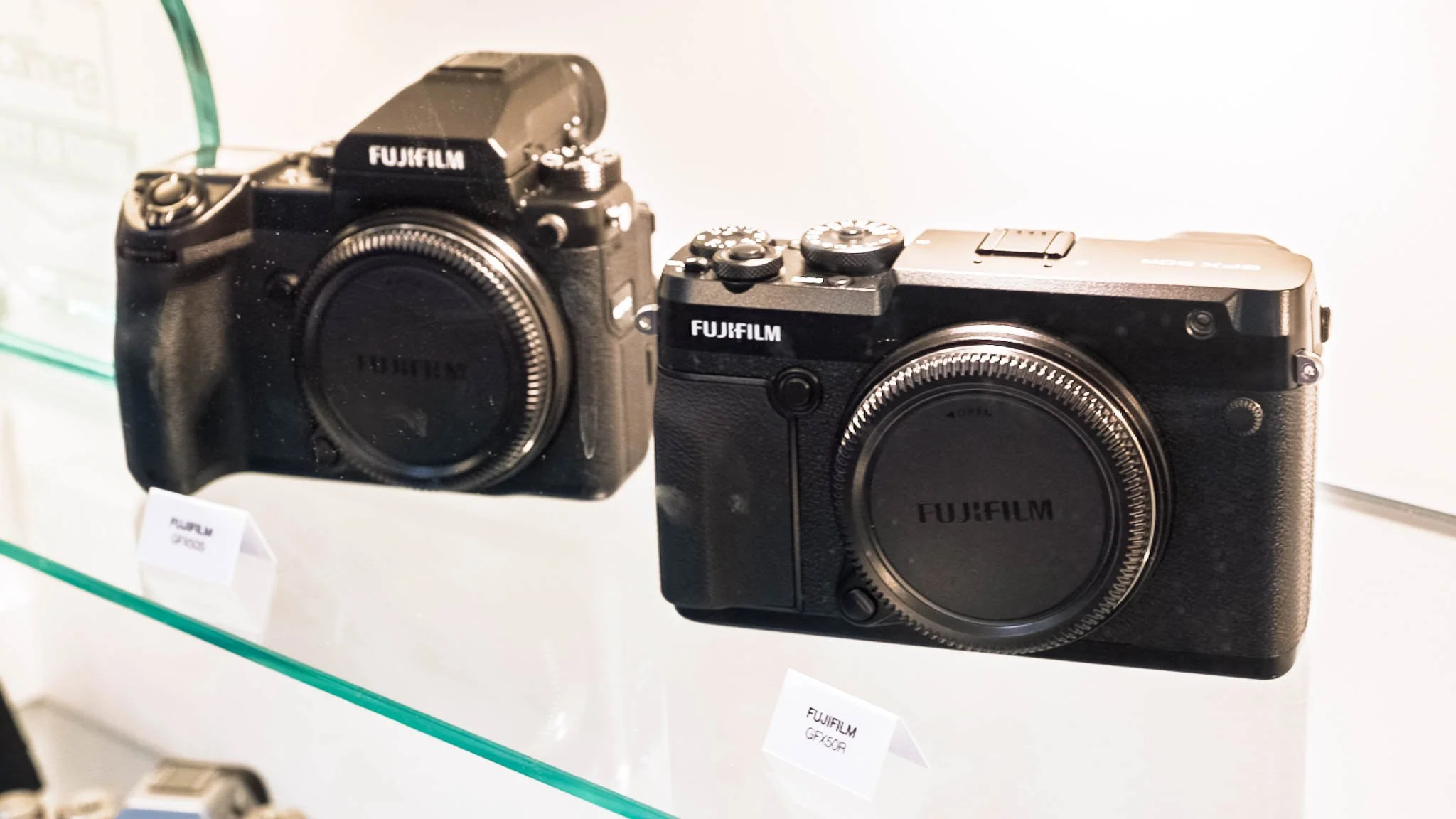
The originals - Fujifilm GFX 50S + GFX 50R
Why not join one of my Fujifilm GFX Landscape Photography Workshops where I offer advice, guidance and tuition, based on years of personal experience, helping you get the best results from your Fujifilm GFX cameras and lenses.