
FUJIFILM GFX - THE STORY SO FAR
1st June 2026
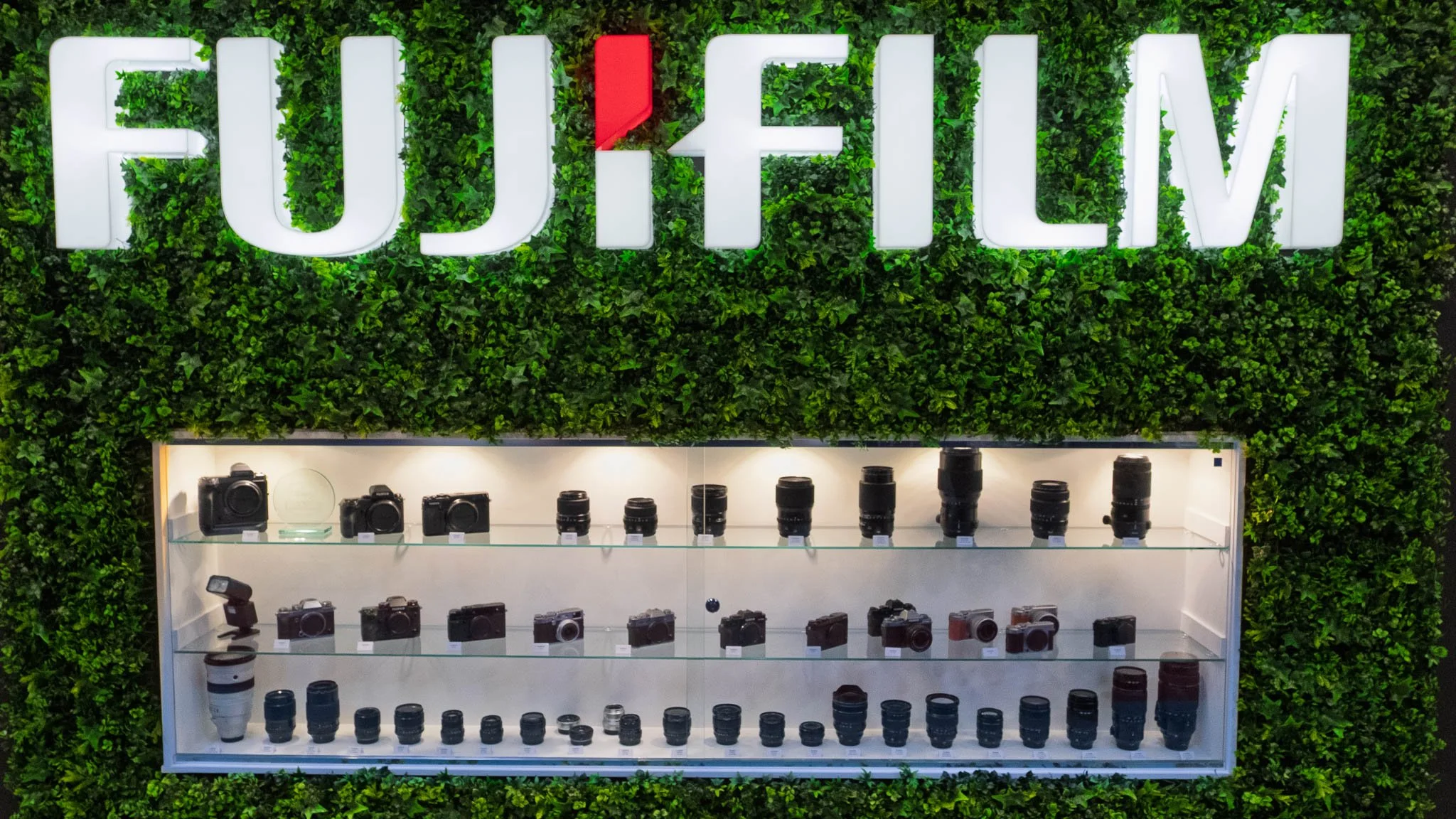
Continuing my Fujifilm GFX journey.
Over the past few years I have owned multiple GFX cameras and GF lenses.
In the second part of this feature, I review my experiences and insights using GF lenses for landscape photography.
Part Two - The Lenses
The Fujinon GF lens range is still small, not to mention plain Fujifilm weird, with both gaps and overlaps in focal lengths etc.
It doesn’t matter though, because, there are only 2 or 3 GF lenses that are really worth buying for landscape photography.
On the used market, the GF lenses are no more expensive, cheaper in many cases, than full-frame lenses from Canon, Sony or Nikon. Compared to Hasselblad X system lenses they are a total bargain.
GF 23mm f/4 R LM WR - 10/10
As a landscape photographer, this is my favourite GF lens.
A lens that just feels right and acts like a magnet for great compositions. It reminds me of the Carl Zeiss Distagon 18 + 21mm lenses in that it doesn’t push the background away despite being a wide-angle lens.
It is a ‘properly’ optically perfected lens that doesn’t rely on software corrections to compensate for lazy/cheaper design and manufacturing processes.
Image quality is simply superb, as can be seen in the image below from the Isle of Skye. I have taken hundreds of images from this spot near Sligachan with many different cameras and lenses but none have come close to the foreground detail and overall organic look.
There is no sensible reason to buy this lens new at over 2 grand. Used prices have risen a bit in the last year but it is still possible to find a really nice boxed example for under £800. The main thing to look out for is moisture between the internal lens elements. Always buy used cameras from trusted retailers with a guarantee and a good returns policy. Have a look at my ‘Top 10 Cameras’ feature for my list of recommended gear specialists.
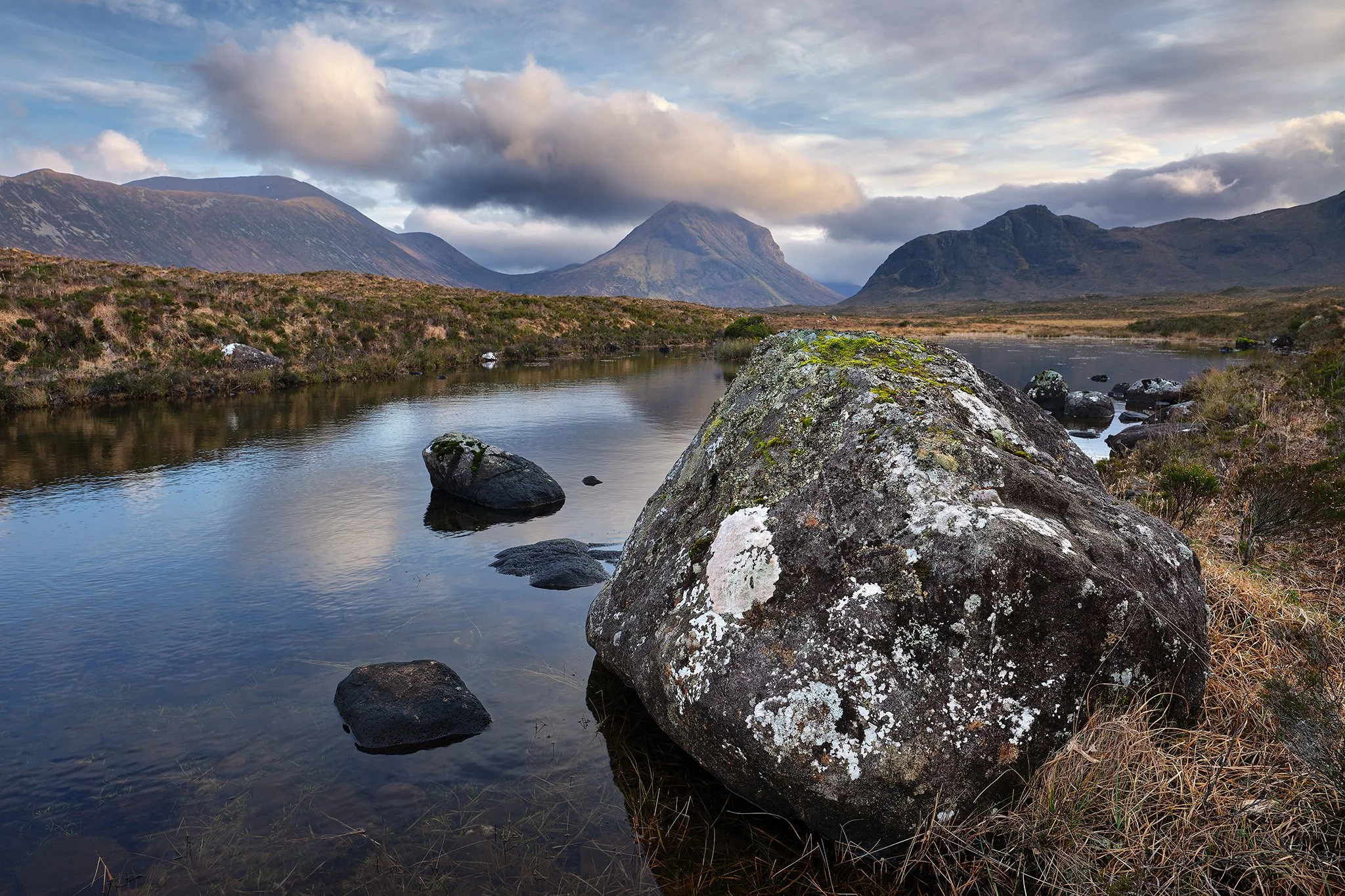
Fujifilm GFX 50R + Fujinon GF 23mm f/4 R LM WR
GF 20-35mm f/4 R WR - 8/10
The newer GF 20-35mm f4 R WR is similarly priced to the epic GF 23mm, maybe a touch sharper and nearly 10% lighter. But, it suffers from the ‘plague’ of many modern mirrorless lenses in having its optical deficiencies corrected by software. Consequently, it isn’t really useable at the 20mm end as the corners appear stretched and smeared, especially in Capture One. Obviously, with the 50 or 100 megapixel resolution of the GFX cameras there is no problem in framing images slightly 'loose' and cropping out the software correction nonsense during image processing. Should you have to do this with a lens costing well over £2000? Of course not.
The GF 20-35mm lens is a superb night sky/astrophotography lens, despite the f/4 maximum aperture, with pinpoint stars right into the corners. The limiting factor is a maximum shutter speed of 10 seconds (at ISO 6400) to minimise star trailing, 4 to 6 seconds is preferable. This lens comes into its own when using a star tracker, stop it down to f/5.6, reduce the ISO and raise the shutter speed to suit.
On the used market, the GF 20-35mm lens is almost double the price of the GF 23mm. I would advise trying both lenses and making you own decision about which one suits you best.
My opinion is that the 23mm is not only the cheaper option, it is also the best one.
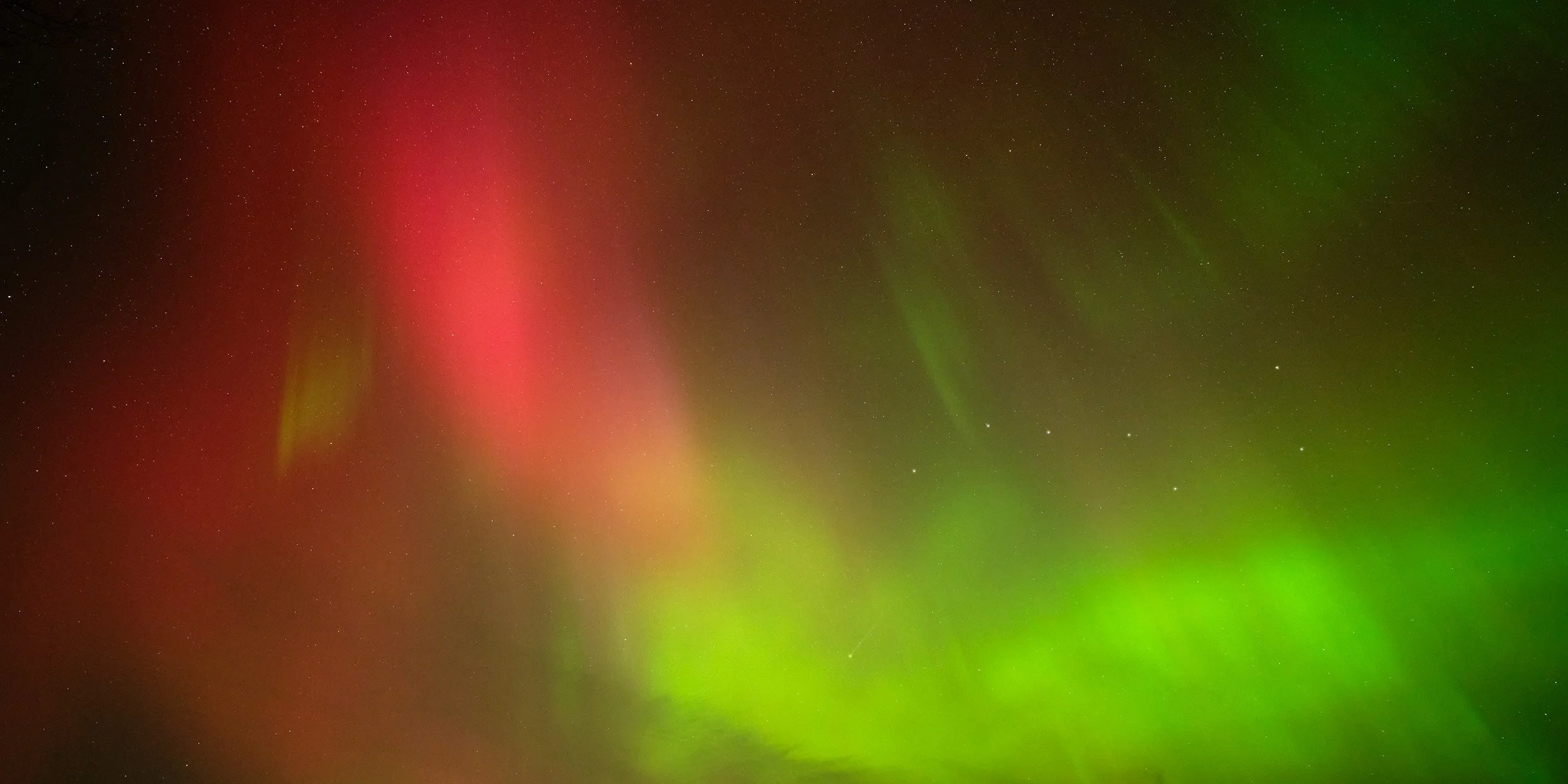
Fujifilm GFX 100S + Fujinon GF 20-35mm f4 R WR
GF 32-64mm f/4 R LM WR - 3/10
Sharp enough but simply too big, heavy, clumsy and expensive to justify the limited zoom range.
I see no reason to buy this new or used now that the GF 35-70 exists.
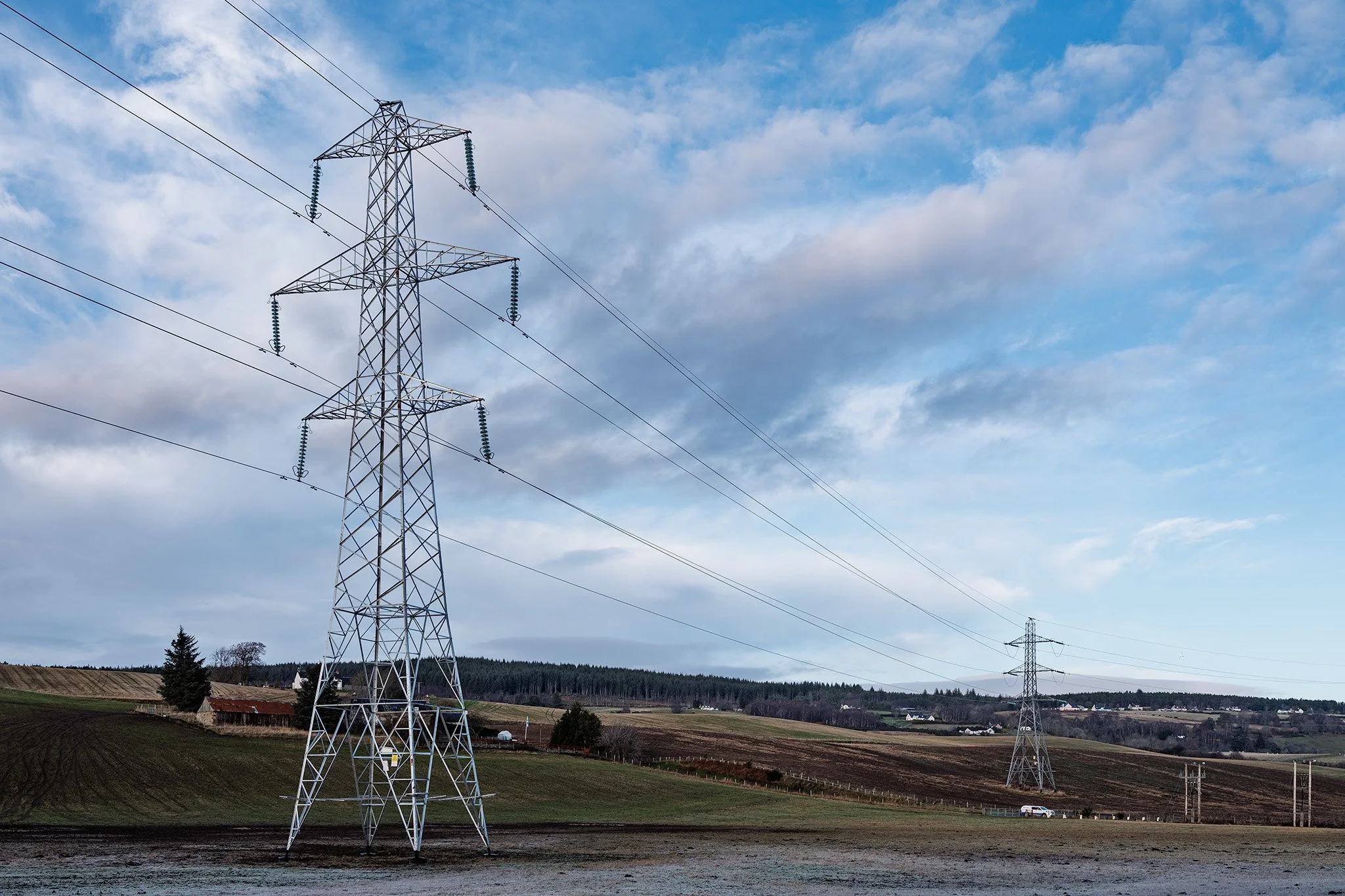
‘Ffordes Pylons’ - Fujifilm GFX 50S + Fujinon GF 32-64mm f/4R LM WR
GF 35-70mm f/4.5-5.6 WR - 10/10
Cheap and light, the GF 35-70 really should not be this good. A bit like the Fujinon XC 15-45mm in that one of the cheapest lenses in the range is also one of the best.
Superb on a 50 megapixel camera, even on a 100 megapixel GFX you will be hard pressed to tell the difference between images from the GF 35-70mm and the GF 32-64mm lens.
The collapsible design seems at odds with the premium GFX system. Mostly plastic and NOT made in Japan, don’t worry about it.
A lens that deserves to be in every Fujifilm GFX outfit.
At one time this lens was available new for £499. Those days have long gone but a lightly used GF 35-70 with the original box, hood and caps can easily be found for under £600.
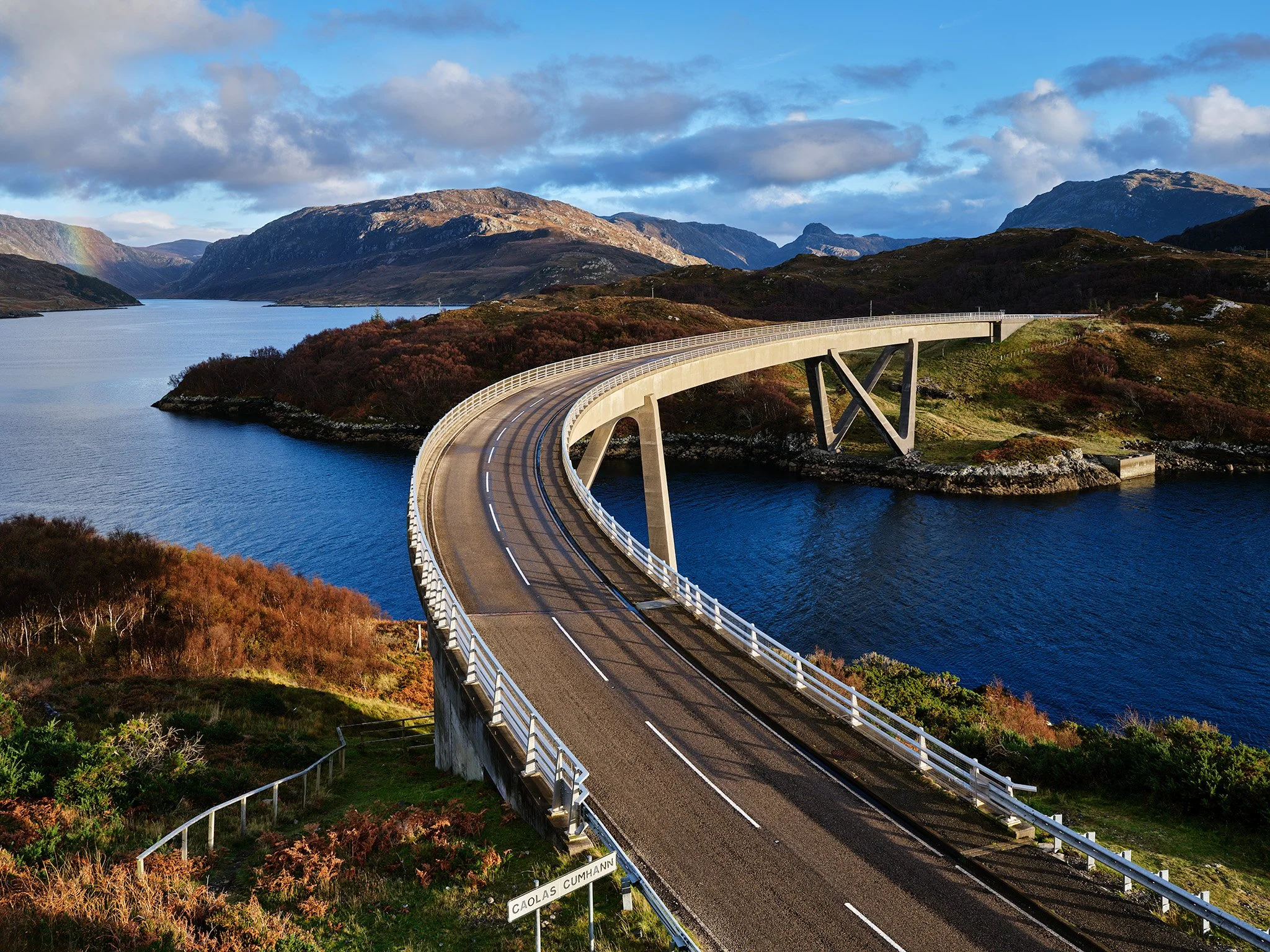
Fujifilm GFX 100S + Fujinon GF 35-70mm f/4.5-5.6 WR
GF 45-100mm f/4 R LM OIS WR - 1/10
One of the least favourite lenses I have ever owned, not just in GFX, but any camera system.
An odd choice of zoom range (36-79mm in full frame/35mm equivalent), featuring huge overlaps with the GF 32-64mm and GF 35-70mm lenses.
Don’t fall into the trap of thinking you need this ‘mid-range’ zoom. Use your phone instead and concentrate on making jaw-dropping wide-angle and telephoto landscape images with your GFX cameras.
Handling is poor, the lens feeling very front heavy and guaranteed to make cheap (and many expensive!) ball-heads droop.
Advertised by Fujifilm as a ‘wonderfully versatile portrait lens’, it certainly failed for landscapes and I could only find one image worth publishing. It is just dull, flat and lifeless with none of the trademark GFX ‘I was there’ depth. Maybe it needs studio lighting to bring it to life, but I see no reason why any portrait photographer would choose the GF 45-100mm over the superb GF 110mm f/2 R LM WR?
Over 2 grand new and still north of £1000 used, why would you?
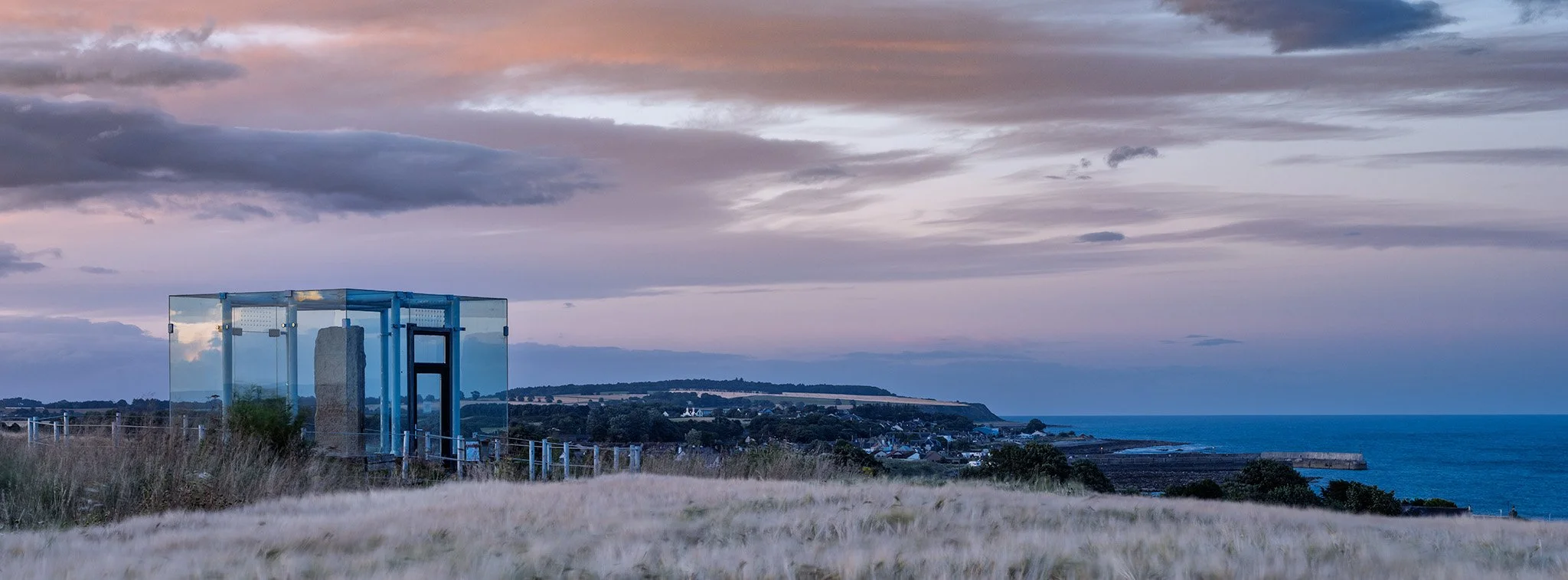
Fujifilm GFX 100S + Fujinon GF 45-100mm f/4 R LM OIS WR
GF 100-200mm f/5.6 R LM OIS WR - 4/10
My original GF 100-200mm lens was sharp with decent contrast, but still not really worthy of the GFX sensors, I have owned 2 further copies of this lens and neither were as good as the original.
I cannot really recommend this lens due to the limited zoom range (79-158mm in full frame/35mm terms), the weird ‘hollow’ feel and the sample variation.
As with a lot of Fuji lenses, GF and XF, the early versions seem to be much better.
New price is around £1800, but often is slashed to £1299. If you decide this is a lens you really must have, go for a decent used copy, boxed with all the original items, but don’t pay more than £800.
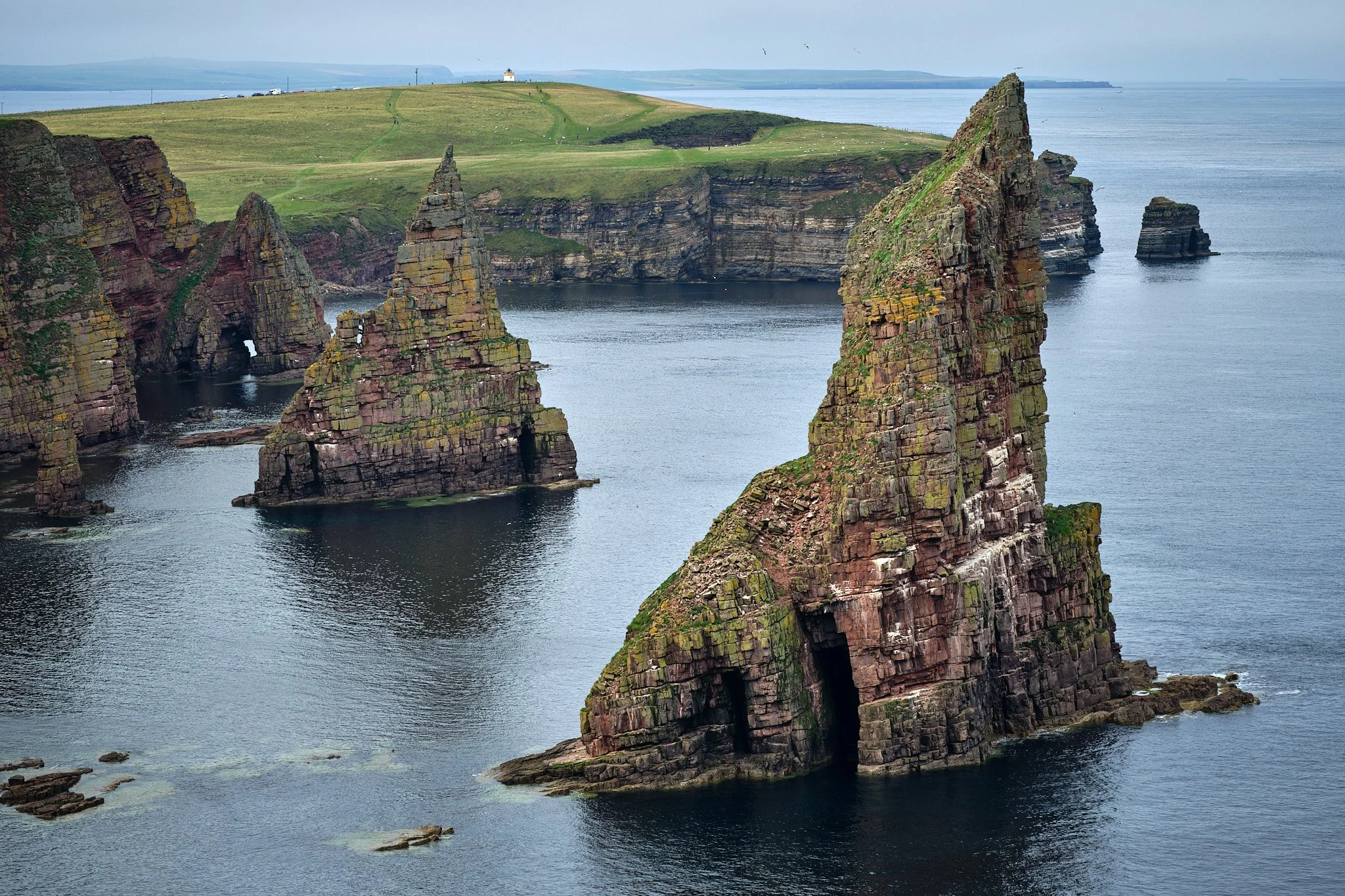
Fujifilm GFX 100S + Fujinon GF100-200mm f/5.6 R LM OIS WR
The image below was made with the last GF 100-200mm lens I had, certainly no better, probably worse, than any half-decent 70-200mm lens on a full frame camera.
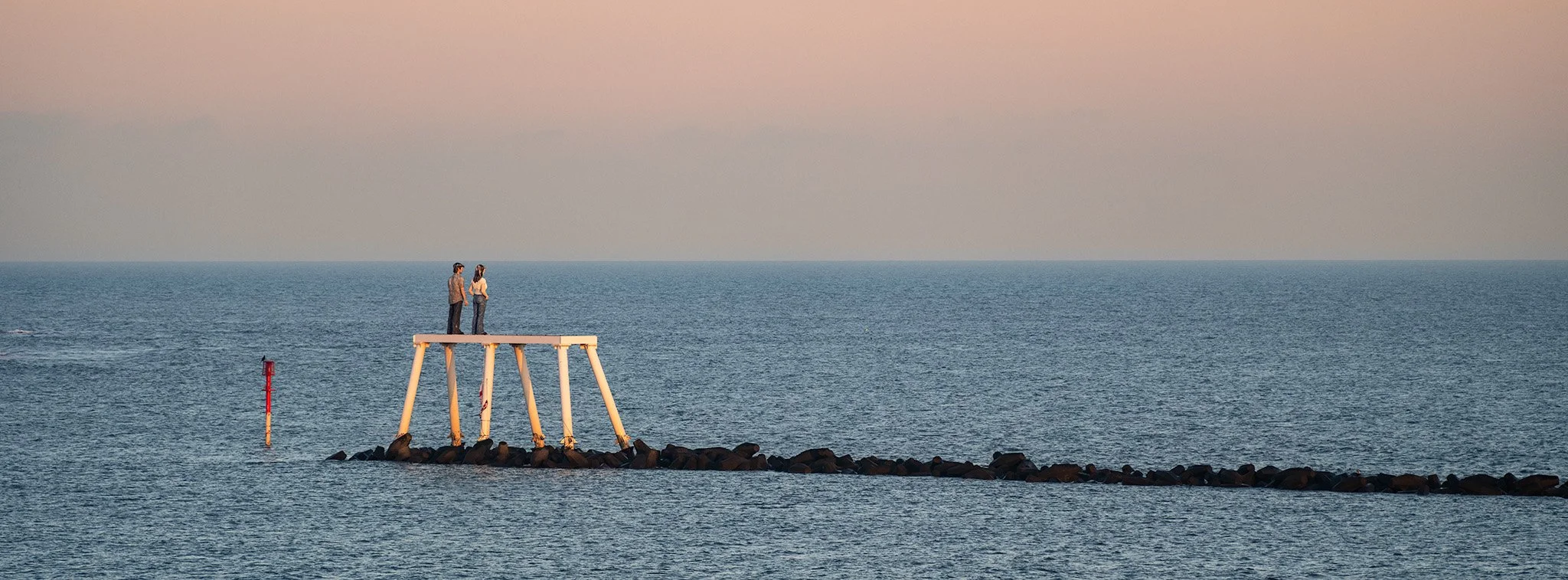
Fujifilm GFX 100S + Fujinon GF 100-200mm f/5.6 R LM OIS WR
The £30 Bargain Option! - 10/10
Just for comparison with the GF 100-200mm, the image below was made with an East German Carl Zeiss Jena 135mm f/3.5 lens in M42 screw mount from the 1970s, the original Sonnar design of this lens is nearly 100 years old. The sharpness, contrast and 3D depth of this vintage 135mm lens puts the GF 100-200mm to shame in every respect. The 35mm film format Carl Zeiss Jena 135mm covers the GFX 50 + 100 megapixel sensors without vignetting, but the best thing of all about this lens is that it can be bought for under £30!
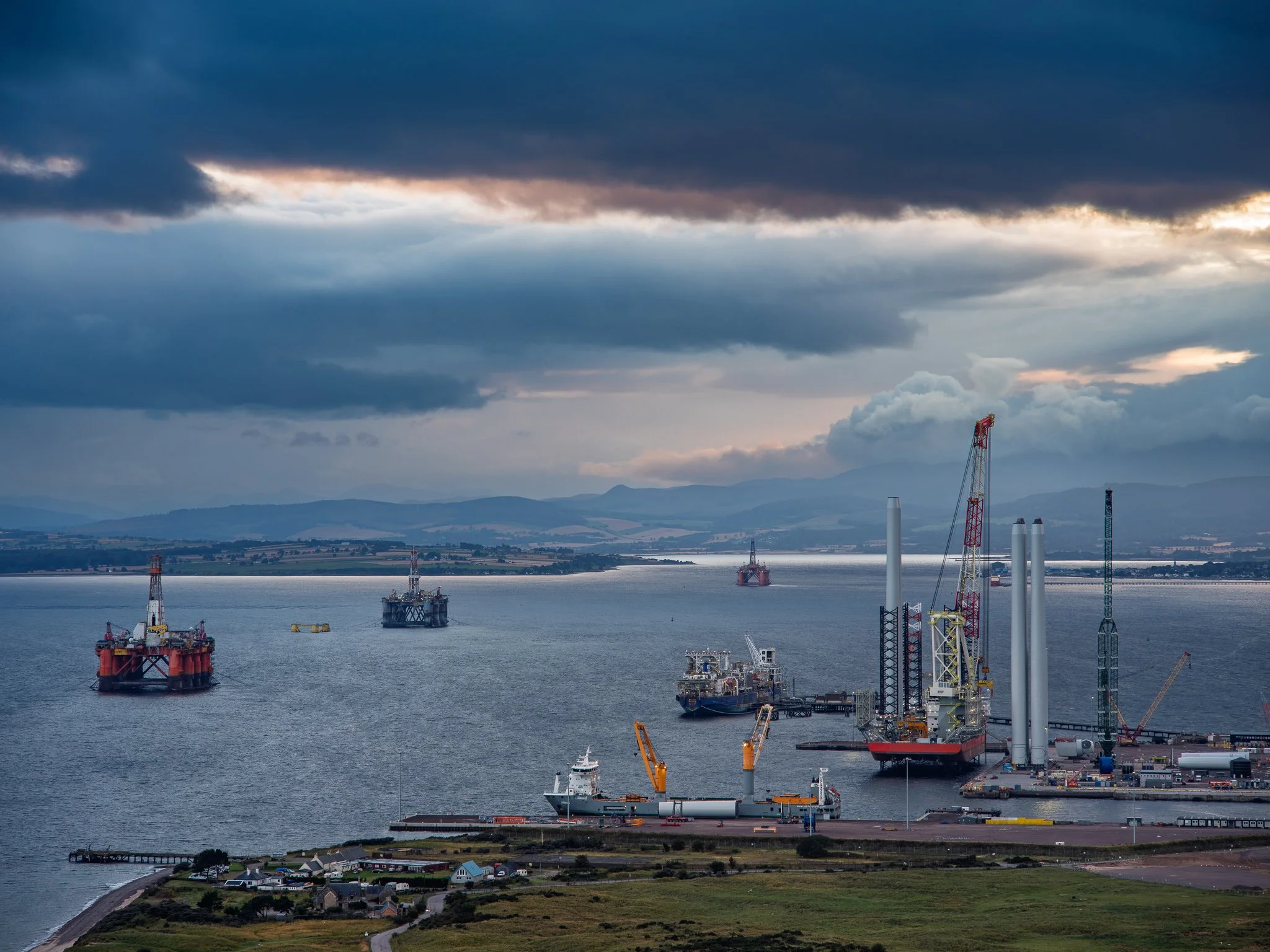
Fujifilm GFX 50S + Carl Zeiss Jena 135mm f/3.5
I have tried most of the other GF lenses at camera shows and dealer days, but none are really relevant for landscape photography. Only one is potentially useful, the GF 30mm f/5.6 Tilt Shift, but it is hideously expensive. The Canon TS-E 24mm f/3.5L II covers the GFX sensors and gives the same field of view at a fraction of the price (used) of the GF 30mm f/5.6 Tilt Shift lens.
Due to the design of the GFX sensor stack, you will mostly get the best performance and user experience by using the native GF lenses, there are a few exceptions (eg Contax 645 lenses with the Fringer adaptor) but not many. It amazes me how many people try to adapt very average lenses to use on GFX cameras. Many full-frame/35mm lenses do not cover the GFX sensor, I see no point in buying a medium format camera and then having to crop the RAW file to roughly a full-frame image (or even smaller) in order to remove the vignetting and terrible corners from the final image. Most wide angle adapted lenses are truly awful on GFX cameras due to the thickness of the sensor stack, ray angle and other factors.
If experimentation is your thing then adapting lenses is fine, but you will save a lot of time and money by considering my recommendations below. This will enable you to concentrate on the actual art of photography, rather than just messing around with gear.
In conclusion, this is my recommendation for a Fuji GFX landscape photography outfit;
Fujifilm GFX 50R or 100S camera
Fujinon GF 23mm f/4 R LM WR lens
Fujinon GF 35-70mm f/4.5-5.6 WR lens
Canon EF 100-400mm f/4.5-5.6L IS II USM lens
Fringer EF-GFX Pro lens adaptor
The Canon EF 100-400 Mark II may seem like a strange choice but it covers the 100mp sensor without fall-off or vignetting, providing the plastic baffle is removed from the inside of the rear lens barrel. It is a similar size to the GF 100-200 and handles much better, the extra weight of the EF 100-400 and the adaptor is more than worthwhile when the huge increase in zoom range is taken into account, not to mention better image quality. Steer clear of the original ‘trombone’ zoom EF 100-400, the Mark II version is better in every respect and used prices reflect its reputation as an all-time classic lens. It is easy enough to find a good one for under £1000 without too much paint loss, the tripod foot can be cheaply replaced with an Arca Swiss version and dust under the front lens element is simple to remove. The other thing to check is wear to the lens mount, if there is play between the lens and a EOS camera, this will be amplified by the GFX adaptor causing random lock-ups and autofocus problems.
It really isn’t necessary to spend a fortune to achieve the best image quality.
Why not join one of my Fujifilm GFX Landscape Photography Workshops where I offer advice, guidance and tuition, based on years of personal experience, helping you get the best results from your Fujifilm GFX cameras and lenses.